

We got rid of our landline phone years ago. This means we all had to have cell phones and ways to contact each other. It’s not a perfect system; when the power goes out we are relying on our cell network for communication, but it has worked well for the most part.
We made the decision when both of the kids were older and had access to their own phones too.
There are a lot of conversations about kids, smartphones and what ages they should get them. Every family makes the decision based on their own needs.
One of the most common reasons why parents consider giving them a phone is to give kids access to a communication device when they’re out of the house, staying after school, and so on. (MediaSmarts’ research has found this is the most frequent reason kids are given phones by their parents.) And while a smartphone is what most of us reach for, there are alternatives for parents and kids to discuss.
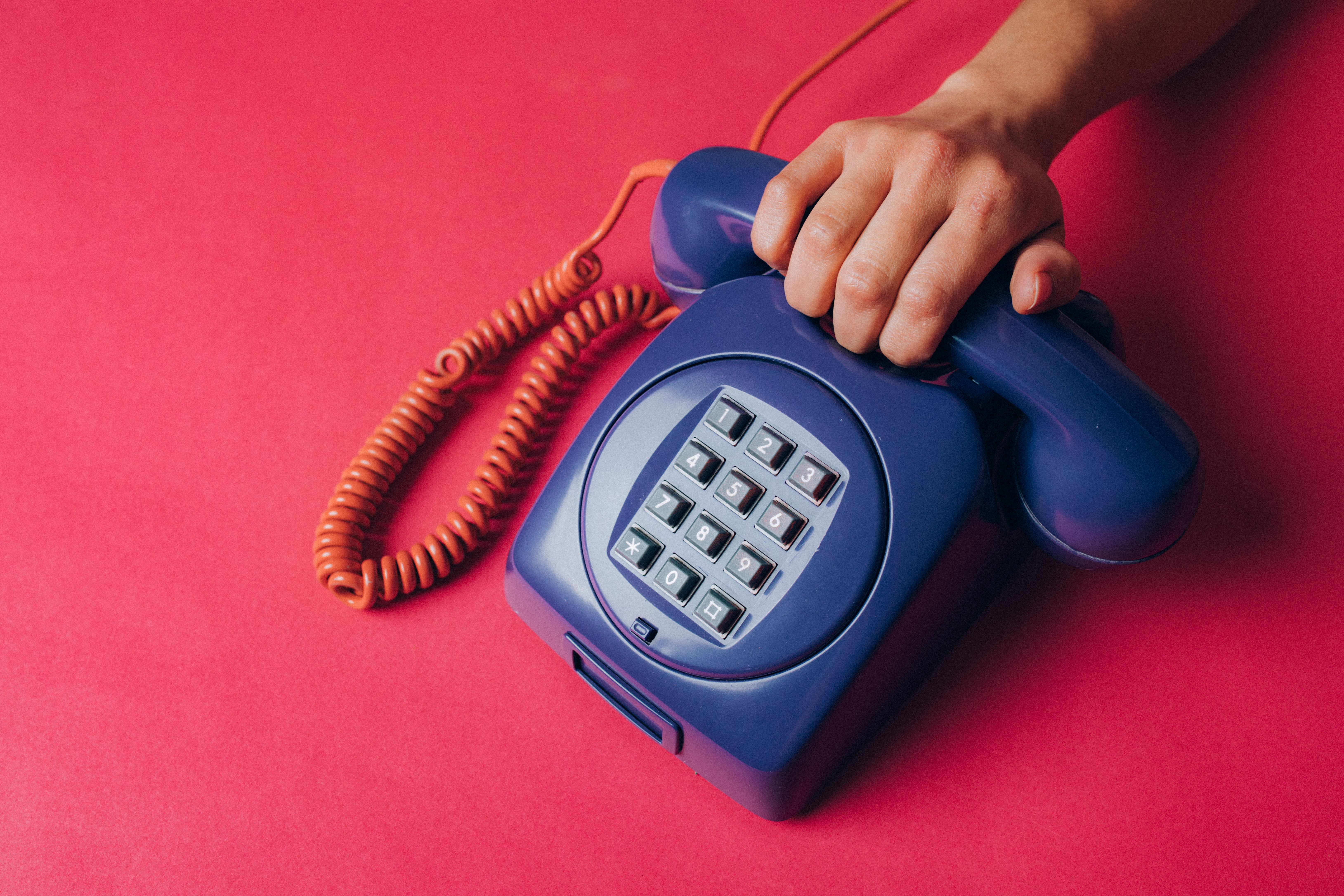 The telephone itself has changed. While I write out the full word ‘telephone’, I’m not even sure the last time I spoke the word out loud. Now we just say ‘a phone.’ We saw technology and usage evolve into smartphones. But do we even say smartphone still?
Now, I’m starting to see things change again but this time, it’s going back to what it once was. Less access. Simpler.
Parents who want their kids to be able to stay in touch without giving them a full smartphone have more options than they used to. There’s now a whole spectrum between “no phone” and a device with social media, games, a browser and constant internet access.
A smartwatch device with calling or messaging features can let kids contact a small number of approved people, and some models also offer location sharing, without giving them access to all the features of a smartphone.
A basic or “dumb” phone is closer to the cell phones many of us had before smartphones. Depending on the model, it may offer calling and texting, but little or no access to apps, social media or the web. These are cell phones that are just meant to be used for calling as though it’s the year 2000 again.
You could repurpose an older smartphone and limit what it can do, for example by removing social media apps or turning off mobile data access or using parental controls to restrict which features are available (this is how we started in our family). Research has found that “dumb” phones can be an effective way of helping kids manage their media use, so long as kids and parents see themselves as being on the same side: if kids see it as a way of restricting their freedom, it won’t help.
And then there’s the most old-school option: a home phone or andline-style device. These give kids a way to call friends, family or emergency contacts from home without giving them a personal device to carry around.
While parents may be turning to these alternatives to avoid the devices, kids and teens themselves are looking for something that is less intrusive and choosing to reduce their time on these screens; one-third report that they worry about spending too much time online.
You can read interviews with several teens who are making these changes in this CBC article.
So this brings us back to the phone. While smartphones aren’t going anywhere, families are looking for alternatives to be more connected with each other but less online with social media and instant access to screens, which means turning back to the landline and old-school telephones.
The question: Do they come with 12-foot cords they can wrap themselves into another room where their family can’t listen in like we did?
Related resources:
Helping kids get a healthy start with phones