
When adults talk about young people and screens, we often talk about them rather than with them.
So when I had the chance to speak with four students from a Grade 5/6 class at Glenmore Elementary School in Kelowna, BC, I wanted to hear what they had to say.
Their class had spent weeks exploring one big question: How might we change our relationship with screens and social media to support healthy brains and communities?
Guided by their teacher, Jasmine Currie, students chose their own research questions before turning what they learned into petitions, posters, infographics and videos to share with their school community. The inquiry was inspired by discussions around Australia's proposed social media restrictions for youth under 16, but rather than debating a policy, students dug into something more personal: how technology fits into their own lives.
Seeing both sides
When I asked what they liked about technology, the answers came quickly.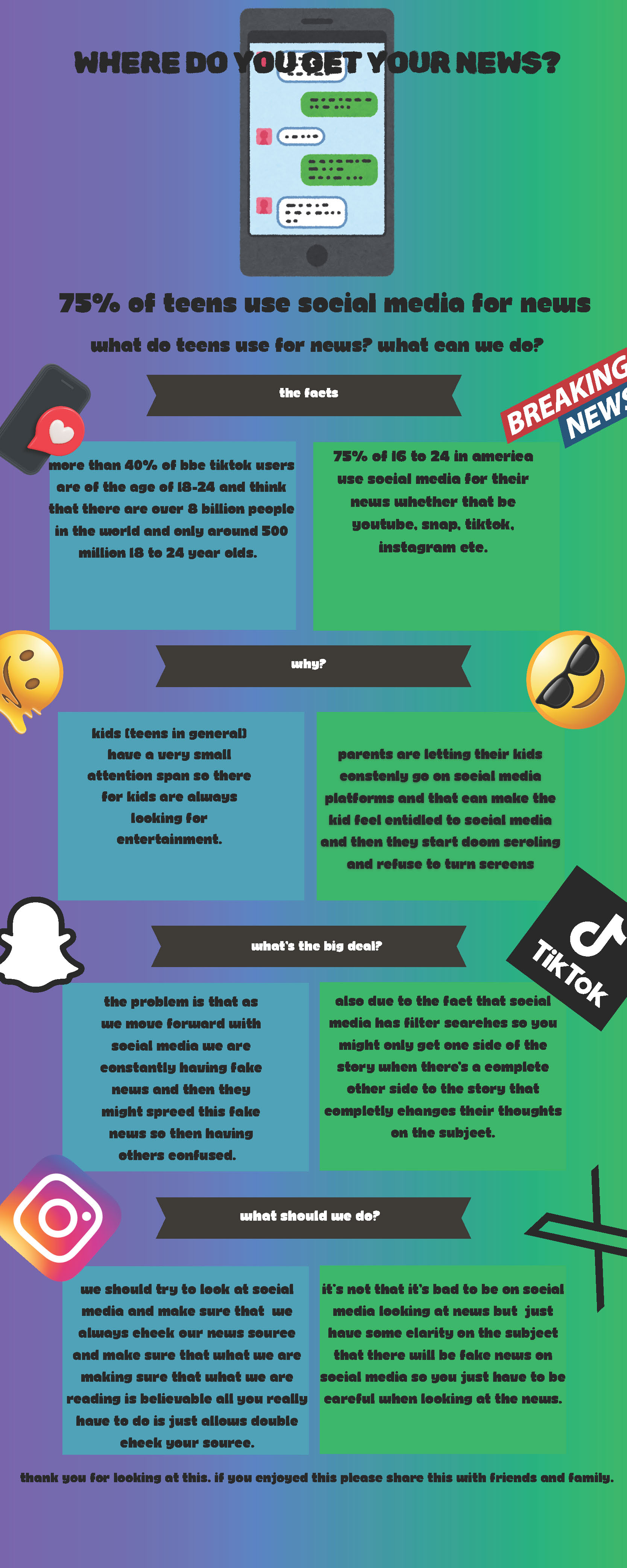
Rumi, age 12, pointed to two things that would have been unimaginable a generation ago: access to information at your fingertips and the ability to connect with people far beyond your own community.
"It's giving you a wider access to knowledge and, in general, like, people. It used to be you're just literally your city, town, etc. and you'd never step out of it, but now with technology, it's like, you can meet people across the world very easily."
But he also recognized that those same opportunities come with challenges.
"You can also come across AI-generated information, or people who don't know what they're talking about."
Lydia, age 12, felt young people need a balanced understanding of social media.
"Lots of kids should hear about the positives and the negatives of social media, because most people don't know the impact (either way)."
That's exactly what media literacy encourages: understanding both the opportunities and the risks so we can make informed choices about the technology we use.
What actually changed
The most interesting part of our conversation wasn't what students had learned. It was what they had changed.
Skyla, age 11, told me she had started to change her own habits without her parents asking her to.
"I don't have, like, a screen limit, but now I set, like, my own personal screen limit."
Phoenix, age 12, noticed something similar.
“Before we did this project, I would always go on my phone, check stuff. And now I’ve really started setting limitations and, like, ignoring stuff, and I’ve really learned how to forget about it, try to move on.”
For Lydia, the project helped her recognize which parts of social media were the hardest to step away from.
“Before this, me and my sister used to go on YouTube, quite a bit, and we’d normally only go on the Shorts, but the Shorts are the most addictive parts, so now, when I see my sister on Shorts, I’m like… you should be watching a full video.”
Several students also told me the conversations continued at home. After seeing the projects or hearing what the class had learned, family members began reflecting on their own screen habits too.
What they actually want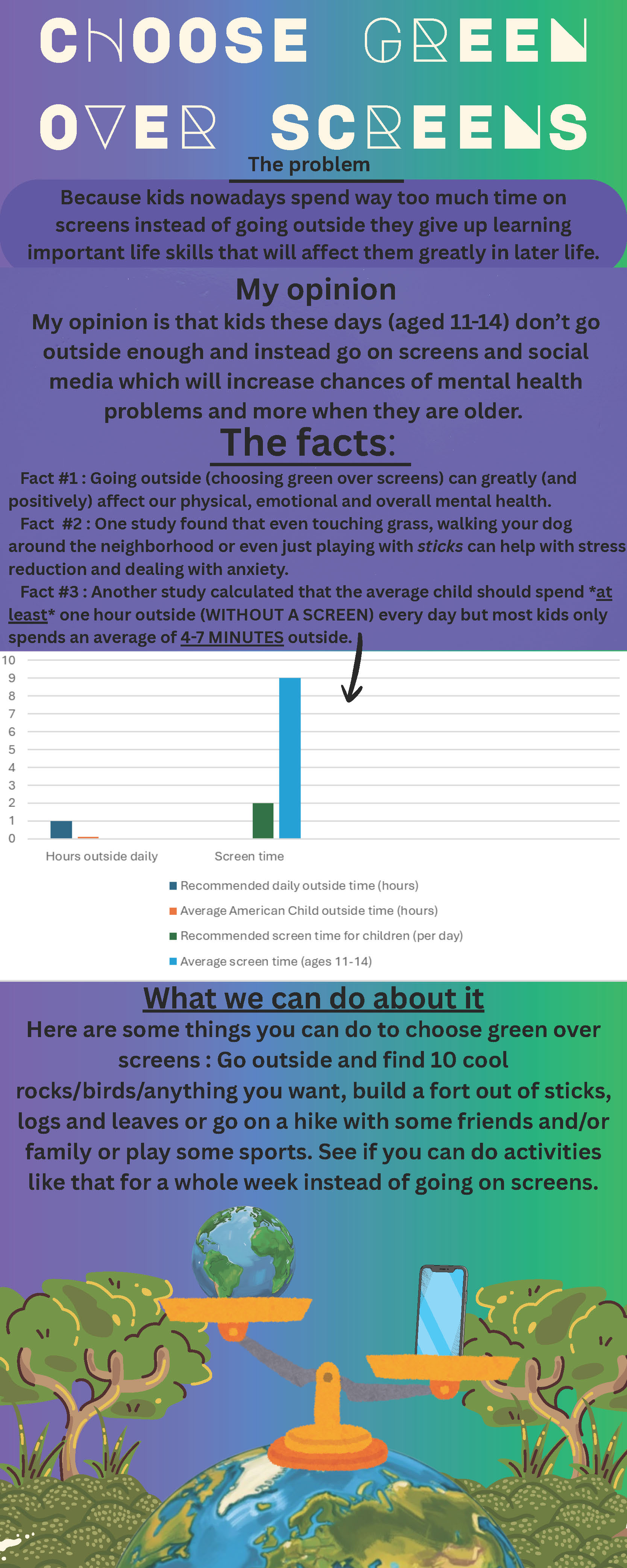
I asked the students what they’d like to see in an ideal social media platform. At first they had a hard time imagining what an ideal platform would look like.
But after some discussion, they imagined platforms designed to help people rather than keep them scrolling. They talked about removing infinite scroll, endless short-form videos and other features that make it easy to lose track of time.
But underneath all of their ideas was something much simpler: they wanted technology to support real connection, not replace it.
Phoenix's comment from the beginning of our conversation stayed with me.
"Sometimes when I'm with some of my friends, like when there's just a quiet moment, some of them will just pull out their phones. And I'd really like to see a change in that."
Another student wished people would simply pause before opening an app.
"I just want people to think when they open their phones, tablets, game consoles… even for one second. Just one second."
Toward the end of our conversation, Rumi reflected on something much bigger than social media. He talked about how short life really is, and how much of it can disappear into games and endless feeds without leaving memories behind. It wasn't that he thought having fun online was a waste of time. He simply wanted to spend more of his life doing things he'd remember.
For me, that captures what this project was really about. Not rejecting technology, but becoming more intentional about how we use it.
Why we're sharing this
At MediaSmarts, we believe digital media literacy starts with asking good questions. These students examined evidence, reflected on their own experiences, considered different perspectives and shared what they learned with others. Along the way, many also changed their own habits and sparked conversations within their families and school community. That's media literacy in action.
Thank you to Jasmine Currie, Janine Chabot and the Learning & Innovation Team for supporting this inquiry, and most of all to the students who generously shared their ideas with us.
There is no shortage of conversations about young people and technology. We could all benefit from hearing more often from the young people themselves.
If your students are exploring questions about digital life, media literacy or technology, we'd love to hear about it. Student voice deserves an audience beyond the classroom, and we're always excited to help share it.
Related resources: